
“The best rental renovations aren’t always the most expensive—they’re the ones that make everyday living easier for tenants while lowering future maintenance for owners.”
Start with Improvements That Deliver the Greatest Value
Before choosing paint colors or replacing countertops, take a step back and evaluate your property as a potential tenant would. Which features feel outdated? Are there maintenance issues that might discourage renters? Addressing these concerns first often provides the highest return on investment. Rather than renovating everything at once, prioritize projects that improve both appearance and functionality.High-impact renovation projects often include:
- Refreshing the kitchen
- Updating bathrooms
- Installing new flooring
- Applying fresh interior paint
- Replacing outdated lighting fixtures
- Adding energy-efficient appliances
Quick Tip:
If your renovation budget is limited, invest in improvements that every tenant uses daily—such as kitchens, bathrooms, flooring, and lighting—before considering decorative upgrades.
Choose Materials That Can Handle Everyday Wear
Rental homes naturally experience more wear and tear than owner-occupied properties. Selecting durable materials from the beginning can reduce repair costs and simplify turnover between tenants. Instead of choosing finishes based solely on appearance, think about how they’ll perform after several years of regular use. Scratch-resistant, moisture-resistant, and easy-to-clean materials often save money over time.Reliable material choices include:
- Luxury vinyl plank flooring
- Quartz or durable solid-surface countertops
- Washable semi-gloss wall paint
- Moisture-resistant bathroom finishes
- Cabinet surfaces designed to resist scratches and stains

Create Spaces That Appeal to More Renters
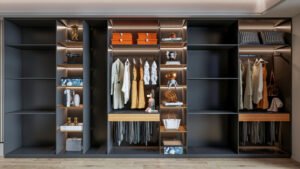
Have you ever walked into a home and immediately felt comfortable? Small design decisions can have a surprisingly large impact on how tenants view a property. For kitchens, simple improvements like updated cabinet hardware, brighter lighting, a modern backsplash, or refinished cabinets can transform the room without requiring a complete remodel. Neutral colors also make it easier for renters to imagine themselves living in the space. Bathrooms deserve similar attention. Replacing old faucets, installing modern vanities, improving ventilation, and upgrading lighting can make the room feel cleaner and more inviting while reducing moisture-related issues. Storage is another feature many renters appreciate but often overlook during renovations.Practical storage improvements include:
- Closet organization systems
- Additional pantry shelving
- Bathroom storage cabinets
- Laundry room shelving
- Built-in entryway storage solutions
Reduce Operating Costs with Energy-Efficient Upgrades
Energy efficiency benefits both landlords and tenants. Lower utility costs make a property more attractive, while modern systems often require less maintenance over their lifespan. Consider replacing outdated equipment with more efficient alternatives whenever possible.Popular energy-saving improvements include:
- LED lighting throughout the property
- Energy-efficient windows
- Programmable thermostats
- Modern HVAC equipment
- Improved insulation where needed
Plan Your Budget with Long-Term Success in Mind
It’s easy to become excited about premium finishes and designer upgrades, but successful rental renovations are built on smart financial decisions. Ask yourself one simple question before every project: **Will this improvement make the property easier to rent, easier to maintain, or more valuable over time?** Focusing on long-lasting improvements instead of luxury extras often produces stronger returns over the life of the property.Keep these budgeting principles in mind:
- Address structural or maintenance issues first.
- Reserve part of your budget for unexpected repairs.
- Track labor and material expenses carefully.
- Prioritize durability over trends.
- Choose timeless finishes that remain attractive for years.