The decision started with a simple observation.
After years of harsh weather, the exterior of the Johnson family’s home had begun to show its age. Faded panels, a few loose sections, and growing concerns about maintenance made one thing clear—it was time for new siding. Like many homeowners, they quickly found themselves comparing
engineered wood vs vinyl siding, wondering which option would truly stand the test of time.
At first, the answer seemed straightforward. One material promised the timeless beauty of real wood, while the other offered impressive durability with very little upkeep. But as they learned more, they realized the best choice depended on much more than appearance alone.
Every home tells a different story, and every renovation begins with understanding what matters most.
The First Step: Learning What Each Material Offers
Their research began with the basics.
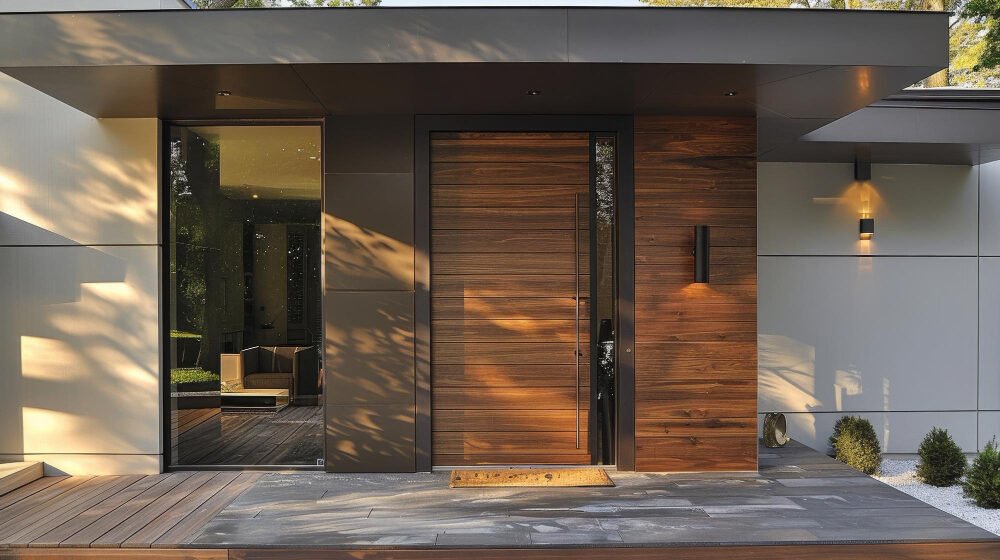
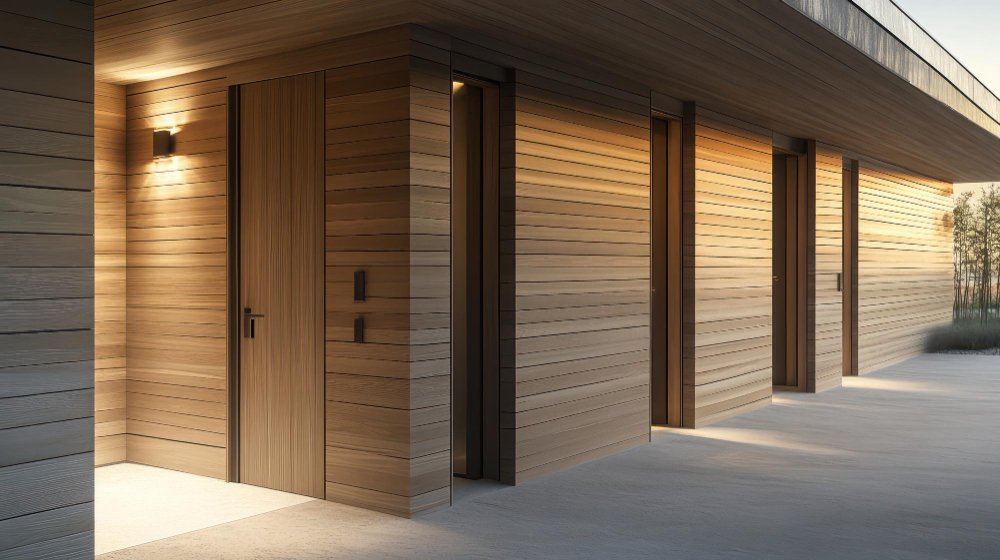
Engineered wood siding isn’t traditional lumber. Instead, it’s manufactured by compressing wood fibers together with specialized resins and protective additives under high pressure. The finished product is designed to capture the warmth and texture of natural wood while resisting many of the problems homeowners associate with it.
Vinyl siding, on the other hand, has evolved tremendously over the past several decades. Modern PVC-based siding is engineered to withstand changing weather conditions while requiring very little routine maintenance. It has become one of the most widely installed exterior cladding materials in North America for good reason.
As they explored samples side by side, the family noticed something interesting. Engineered wood delivered rich textures and deeper shadow lines, while vinyl impressed them with its consistency, color selection, and ease of care.
“Choosing siding isn’t simply about today’s appearance—it’s about how your home will look and perform for years to come.”
Both materials clearly offered advantages. The challenge was determining which benefits aligned with their priorities.
Weighing Cost Against Long-Term Value
With a clearer understanding of both products, attention naturally shifted toward the renovation budget.
Like many homeowners, the Johnsons initially focused on installation costs. Vinyl siding generally requires a smaller upfront investment, making it attractive for families working within tighter budgets. Installation is often quicker, and replacement panels are relatively inexpensive if damage occurs in the future.
Engineered wood typically represents a larger investment at the beginning of a project. However, its premium appearance and structural strength often appeal to homeowners planning to stay in their homes for many years.
Rather than asking which material was cheaper, they started asking a better question:
Which investment would provide the greatest value over the next twenty or thirty years?
The answer depended on much more than purchase price.
Maintenance expectations became another important consideration.
Vinyl siding appealed because it usually requires little more than occasional washing to keep it looking clean. There is no regular painting schedule, and damaged panels can often be replaced individually without affecting the rest of the exterior.
Engineered wood requires more attention over time. Periodic repainting or refinishing may be necessary, along with routine inspections of caulking and protective coatings. For homeowners who appreciate its authentic appearance, however, this maintenance can feel like a worthwhile tradeoff.
Looking Beyond Appearance
As the project planning continued, the family realized that weather would play a major role in their decision.
Their region experienced hot summers, occasional hailstorms, and periods of heavy rain. They wanted siding capable of handling changing conditions without constant repairs.
Engineered wood offered impressive impact resistance along with excellent structural stability. Special treatments help protect it from insects, moisture, and fungal decay, allowing many installations to perform well for decades when properly maintained.
Vinyl siding also demonstrated strong durability. It performs especially well in humid environments and requires very little attention throughout its lifespan. However, extremely high temperatures, severe impacts, or prolonged ultraviolet exposure can eventually affect certain products.
As conversations continued with contractors, another comparison emerged:
engineered siding vs vinyl siding wasn’t simply about one material outperforming the other. Instead, each product excelled under different circumstances.
For homeowners focused on premium architectural character and long-term curb appeal, engineered wood often became the preferred choice.
For those prioritizing affordability, easy ownership, and minimal maintenance, vinyl continued to be an outstanding option.
The Final Decision
Weeks later, after reviewing estimates, comparing samples, and considering future maintenance, the Johnson family reached their conclusion.
Their decision wasn’t based on a single feature.
Instead, it reflected their long-term goals, neighborhood style, budget, and willingness to maintain the exterior over time.
The experience taught them an important lesson that applies to nearly every remodeling project: there is rarely one perfect solution for every home.
Before making your own decision, consider questions such as:
- How long do you plan to own your home?
- What weather conditions does your property experience throughout the year?
- Are you comfortable performing periodic maintenance?
- Is premium curb appeal one of your highest priorities?
- How important is minimizing long-term maintenance?
Those answers often provide more guidance than any product brochure ever could.
Whether you ultimately choose engineered wood vs vinyl siding, both materials can provide decades of reliable protection when installed correctly. The key is selecting the option that best matches your home’s needs, your financial goals, and the lifestyle you envision for years ahead.
In the end, comparing engineered siding vs vinyl siding isn’t about finding a universal winner. It’s about making an informed decision that gives you confidence every time you pull into your driveway and see a home that’s ready to stand up to whatever the future brings.