
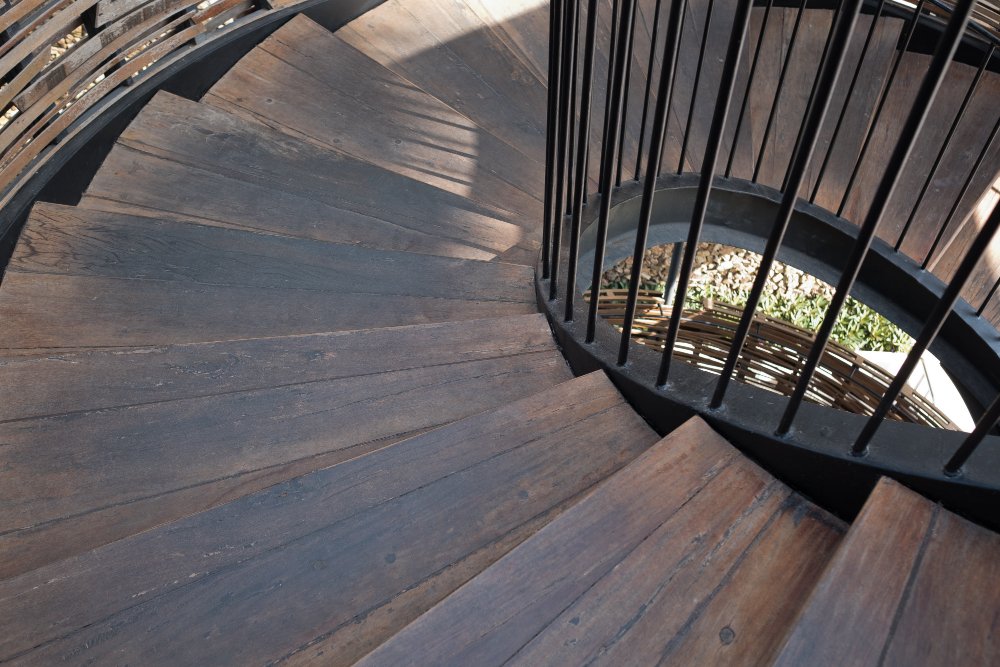
Step 1: Evaluate Safety Before Updating the Design
Before choosing new materials or finishes, inspect your existing staircase carefully. A successful renovation starts by identifying structural or safety concerns. Safety Checklist- ✓ Check for loose or squeaking steps.
- ✓ Inspect worn stair treads.
- ✓ Test handrail stability.
- ✓ Look for uneven risers.
- ✓ Evaluate staircase lighting.
- ✓ Inspect baluster spacing.
Tip
Walk up and down your staircase at different times of day. Poor lighting or uneven steps often become more noticeable in the evening.
⚠ Warning
Never cover damaged treads or unstable framing with new flooring materials. Structural repairs should always come first.
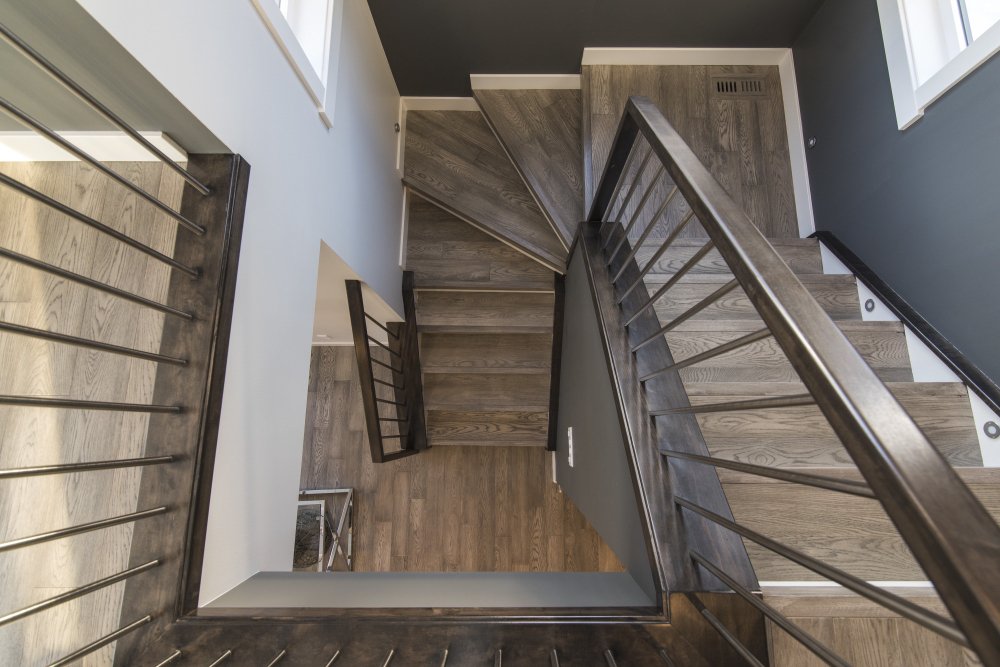
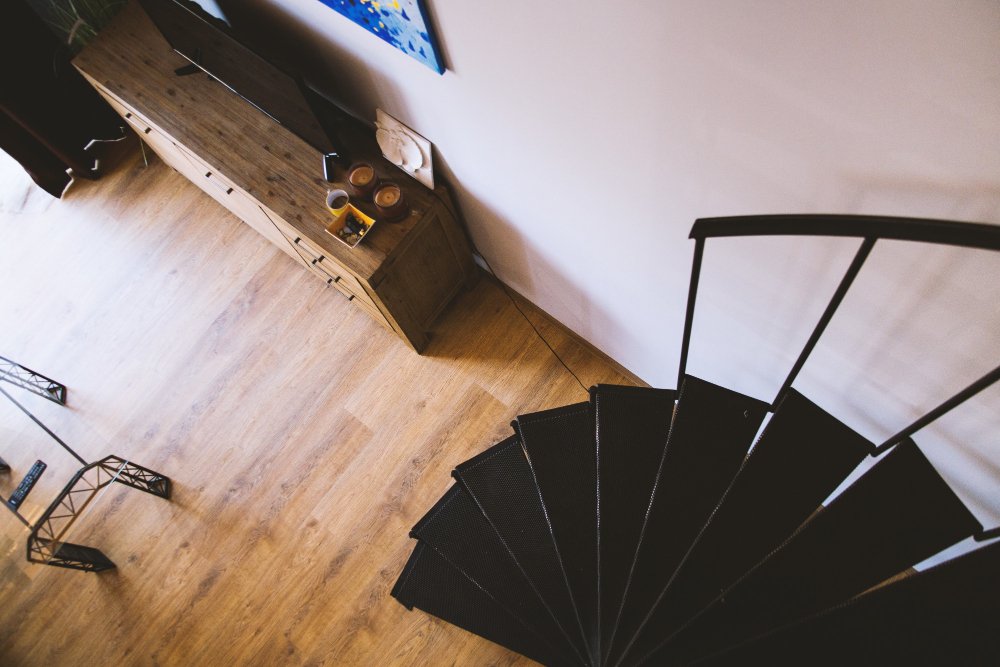
Step 2: Upgrade the Features That Improve Safety and Function
Once the staircase is structurally sound, focus on the elements that improve both daily use and long-term durability. Prioritize these upgrades:- Replace worn stair treads with durable, slip-resistant materials.
- Install modern handrails that meet current safety standards.
- Add layered lighting using recessed fixtures, wall sconces, or LED step lights.
- Improve visibility with brighter finishes or open railing systems.
- Strengthen structural components if movement or squeaking is present.
Tip
Choose finishes that are easy to clean and resistant to scratches, especially if your staircase receives heavy daily traffic.
⚠ Warning
Avoid glossy finishes on stair treads if slip resistance is a concern. Safety should always take priority over appearance.
Step 3: Add Storage and Modern Design Details
After improving safety and functionality, you can focus on making the staircase a true design feature. Many homeowners overlook the valuable space beneath the stairs. Built-in storage can improve organization while making better use of every square foot. Ideas worth considering:- ✓ Built-in cabinets
- ✓ Pull-out storage drawers
- ✓ Open bookshelves
- ✓ Reading nook
- ✓ Compact workspace
Tip
Keep materials and colors consistent with the rest of your home to create a seamless transition between floors.
⚠ Warning
Before changing stair dimensions, handrails, or guardrails, verify that your renovation complies with local building codes.