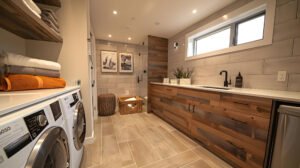

- Improve insulation and indoor temperature control.
- Choose durable materials that fit your climate.
- Make sure installation is done correctly from the start.
Tip: The best window upgrade is the one that improves comfort, lowers energy waste, and fits the way you actually use each room.
Step 1: Choose the Right Energy-Efficient Glass
Your first step is selecting glass technology that supports better home performance. Modern windows are far more advanced than older single-pane products, and the glass package often has the biggest impact on efficiency.- Start with double-pane windows. These are a strong choice for many homeowners because they offer improved insulation, reduced outdoor noise, and better indoor temperature stability.
- Consider triple-pane windows for extreme climates. Triple-pane systems add another layer of glass and insulating space, making them useful for colder regions or homes where maximum efficiency is a priority.
- Add Low-E glass coatings. Low-E coatings help reflect heat while still allowing natural light into the home. They can also reduce UV fading on flooring, furniture, and fabrics.
Glass Upgrade Checklist:
- ✓ Choose double-pane glass for everyday efficiency.
- ✓ Consider triple-pane glass for maximum insulation.
- ✓ Select Low-E coatings to help control heat and UV exposure.
- ✓ Ask about insulating gas between panes.
⚠ Warning: Do not choose windows based on glass thickness alone. Energy performance depends on the full system, including glazing, frame material, seals, spacing, and installation quality.
Step 2: Select the Best Frame Material and Window Style
Once you understand the glass options, the next step is choosing the frame material. Window frames affect durability, maintenance, appearance, and thermal performance. The right choice depends on your budget, climate, design goals, and maintenance preferences. Vinyl window frames are popular because they are affordable, moisture-resistant, and low maintenance. They work well for many homeowners who want reliable performance without frequent repainting or refinishing. Fiberglass windows offer excellent strength and long-term durability. They expand and contract less with temperature changes, which can help maintain a tight seal over time. Wood windows provide a classic architectural look and natural insulation. They are especially attractive in historic or high-end renovations, but they usually require more maintenance than vinyl or fiberglass. After selecting the frame material, think about window style. Different rooms may need different solutions.- Use casement windows where ventilation is important, such as kitchens and bathrooms.
- Use picture windows where you want large views, natural light, and strong efficiency without an opening sash.
- Combine fixed and operable windows to balance airflow, light, and energy performance.
Tip: Match the window style to the room’s purpose. A bathroom may need ventilation, while a living room may benefit more from a large picture window with excellent insulation.
Step 3: Plan for Smart Features and Professional Installation
After choosing the main window system, you can improve comfort even further with smart features. Today’s energy-efficient renovations often include automation that helps manage light, heat, privacy, and security. Popular smart window features include:- Motorized blinds or shades
- Smart glass tinting systems
- Automated ventilation controls
- Integrated security sensors
Installation Checklist:
- ✓ Confirm accurate measurements before ordering.
- ✓ Use proper flashing systems.
- ✓ Ensure the frame is level and square.
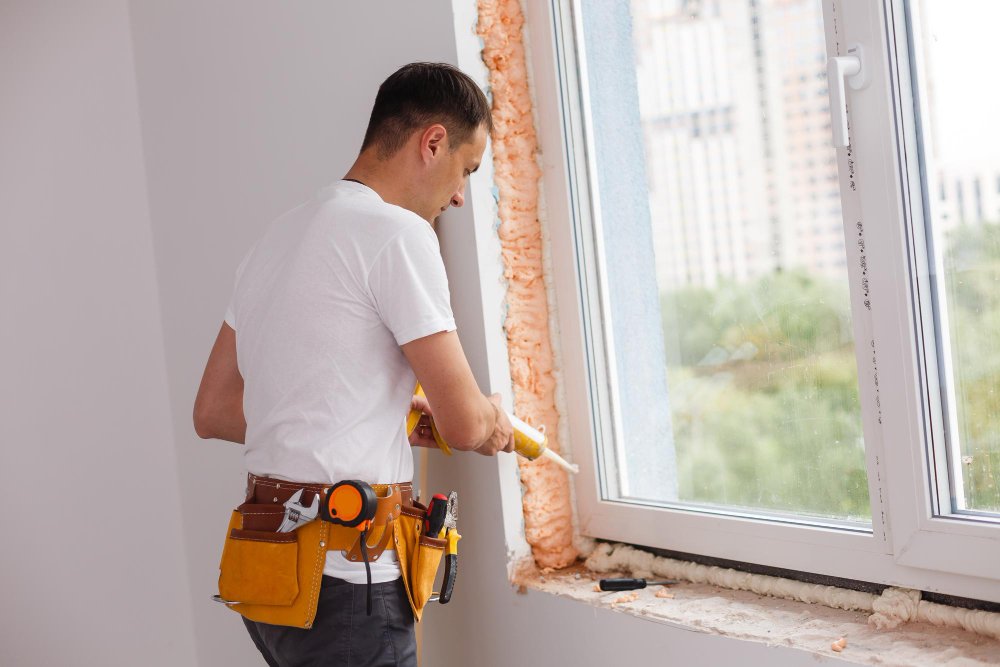
- ✓ Seal air gaps correctly.
- ✓ Add waterproof membranes where needed.
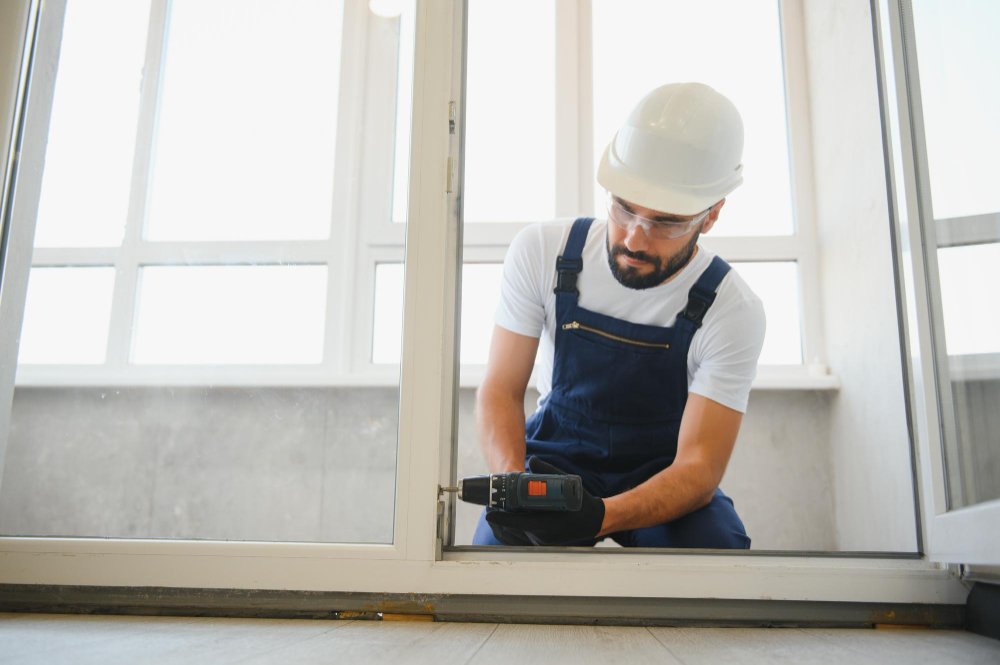
- ✓ Hire experienced window installers.
⚠ Warning: Never rely on high-performance windows to fix poor installation. A premium window installed incorrectly can still leak air, allow moisture intrusion, and reduce energy efficiency.