
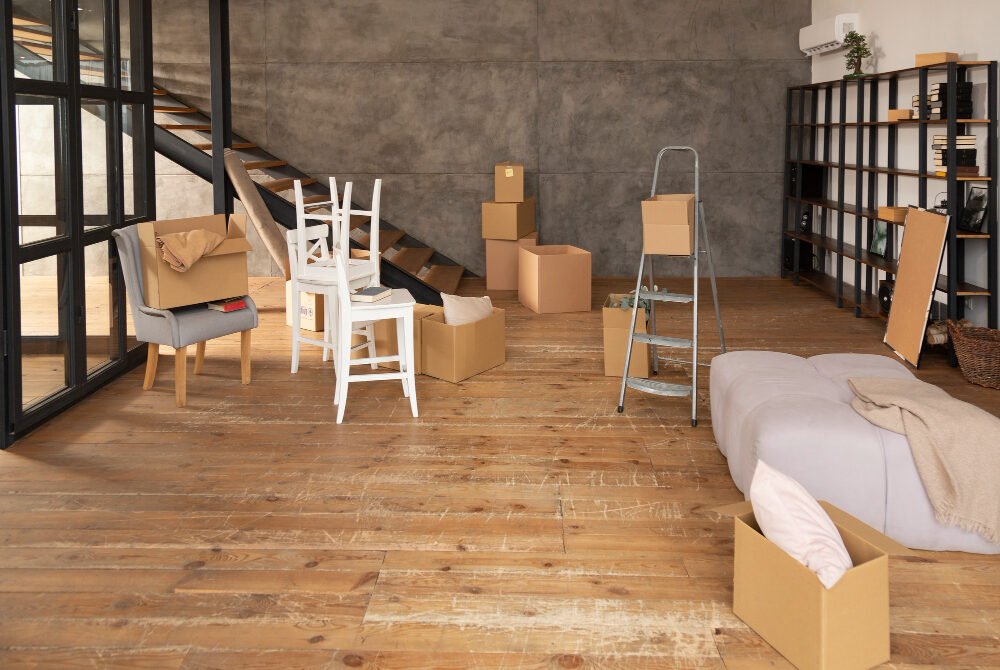
Why Basement Renovations Add Valuable Living Space
A basement renovation is one of the most effective ways homeowners can increase usable square footage without expanding the physical footprint of the home. Unfinished basements often represent large underutilized areas that can be transformed into comfortable living spaces, entertainment rooms, guest suites, home offices, fitness areas, or multifunctional family zones.
Modern basement renovations focus on moisture control, energy efficiency, durable materials, and flexible layouts that support long-term comfort and functionality. Careful planning is essential because basements present unique structural and environmental challenges compared to above-grade living spaces.
Step 1: Evaluate Moisture and Waterproofing Conditions
Before beginning any basement renovation, homeowners should assess existing moisture conditions carefully. Water intrusion and humidity problems can damage finishes, flooring, insulation, and furniture if not addressed early.
Common Basement Moisture Issues
- Foundation cracks
- Condensation buildup
- Poor exterior drainage
- High humidity levels
- Water seepage during storms
Professional waterproofing systems, sump pumps, drainage improvements, and vapor barriers are often necessary to create a dry and stable renovation environment.
Step 2: Plan the Basement Layout Strategically
A successful basement renovation begins with careful layout planning that maximizes functionality while working around structural limitations such as support columns, utility lines, and lower ceiling heights.
Popular Basement Renovation Uses
- Family entertainment rooms
- Guest bedrooms
- Home offices
- Fitness rooms
- Game rooms
- Home theaters
- Additional bathrooms
Flexible floor plans help homeowners adapt the space to changing household needs over time.
Step 3: Improve Basement Insulation and Energy Efficiency
Basements often feel colder than upper floors because they are partially or fully below ground level. Proper insulation improves comfort while helping reduce energy consumption.
Important Basement Insulation Areas
- Foundation walls
- Rim joists
- Ceiling cavities
- Subfloor systems
High-quality insulation combined with air sealing helps create more consistent indoor temperatures and improved moisture control.
Step 4: Select Durable Basement Flooring Materials
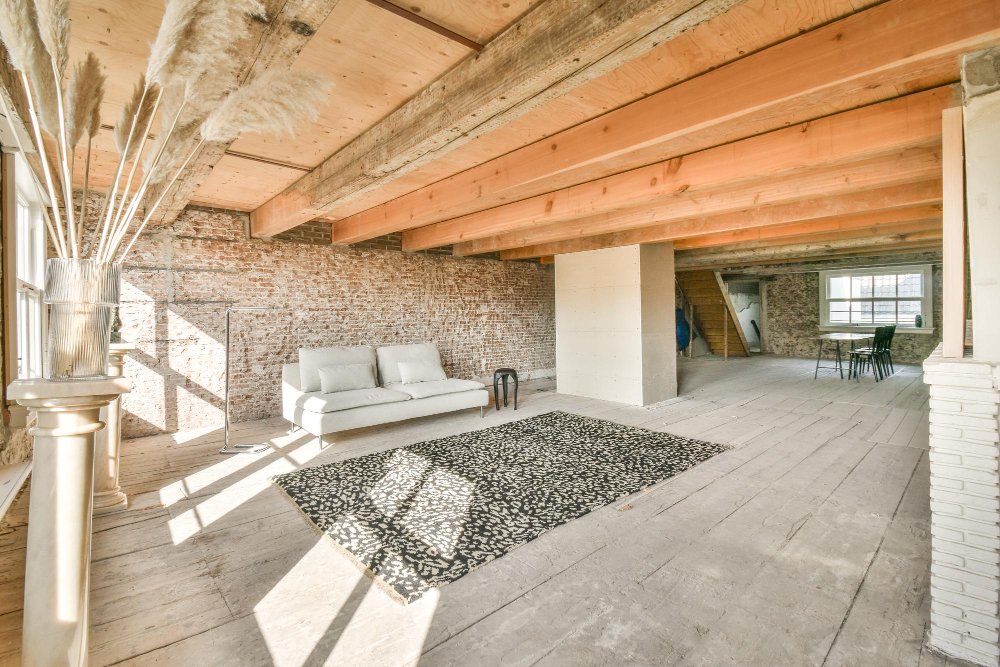
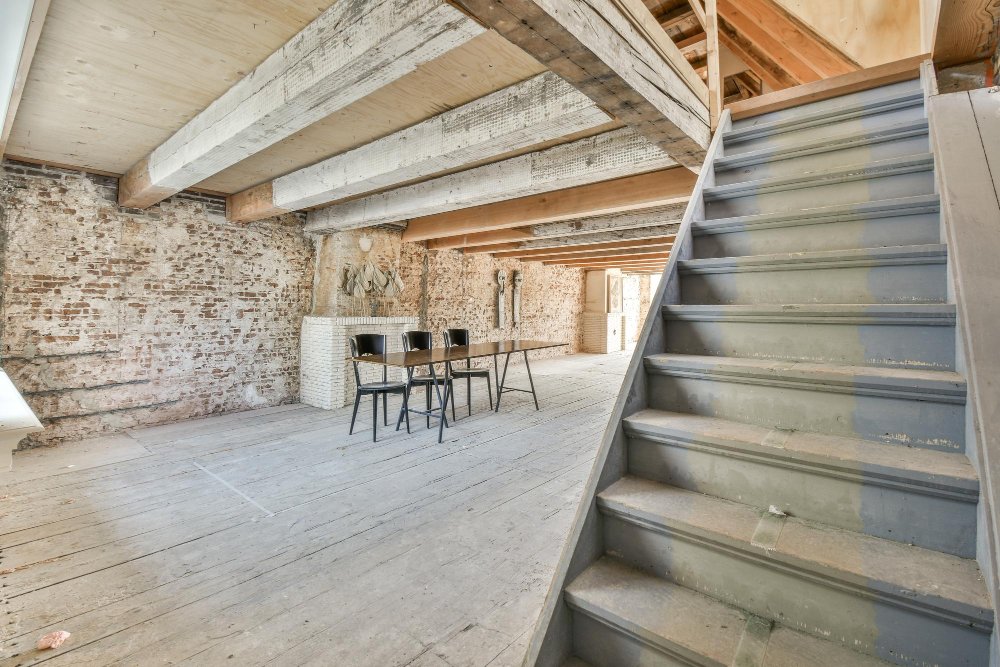
Basement flooring must withstand potential moisture exposure, temperature fluctuations, and heavy foot traffic. Traditional hardwood flooring is often less suitable for below-grade spaces.
Best Basement Flooring Options
- Luxury vinyl plank flooring
- Porcelain tile
- Engineered hardwood
- Polished concrete
- Moisture-resistant carpet tiles
Water-resistant flooring materials help protect the basement renovation while simplifying long-term maintenance.
Step 5: Install Proper Lighting Systems
Limited natural light is one of the biggest challenges in basement renovations. A well-designed lighting plan helps eliminate dark areas while making the basement feel more open and inviting.
Recommended Basement Lighting Features
- Recessed LED ceiling lights
- Wall sconces
- Accent lighting systems
- Task lighting for workspaces
- Dimmable lighting controls
Layered lighting improves functionality while reducing the enclosed feeling common in many basements.
Step 6: Address Ceiling Height and Mechanical Systems
Basements frequently contain exposed ductwork, plumbing lines, electrical wiring, and support beams that affect ceiling design and usable height.
Popular Basement Ceiling Solutions
- Drywall ceilings with soffits
- Suspended ceiling systems
- Painted exposed ceilings
- Acoustic ceiling panels
Creative ceiling design helps conceal utilities while preserving as much ceiling height as possible.
Step 7: Add Basement Bathrooms Carefully
Adding a bathroom during a basement renovation can significantly improve functionality and increase property value. However, basement plumbing requires specialized planning.
Important Basement Bathroom Considerations
- Drainage system placement
- Sump pump integration
- Ventilation requirements
- Waterproof flooring materials
- Moisture-resistant wall systems
Professional plumbing installation helps ensure reliable drainage and long-term moisture protection.
Step 8: Improve Soundproofing and Acoustic Comfort
Finished basements often serve as entertainment spaces, home theaters, or family gathering areas. Soundproofing improvements help minimize noise transfer between floors.
Effective Basement Soundproofing Features
- Acoustic insulation
- Resilient channel systems
- Carpet and soft furnishings
- Acoustic wall panels
- Solid-core interior doors
Improved acoustics create quieter and more comfortable living environments throughout the home.
Step 9: Ensure Proper Ventilation and Air Quality
Good ventilation is essential for maintaining healthy indoor air quality in below-grade living spaces.
Ways to Improve Basement Air Quality
- Dedicated dehumidifiers
- HVAC system extensions
- Air purification systems
- Improved fresh air circulation
- Moisture-resistant materials
Controlling humidity levels helps prevent mold growth while improving overall comfort.
Step 10: Maintain a Cohesive Design Style
A basement renovation should feel integrated with the rest of the home rather than disconnected or unfinished.
Design Features That Improve Cohesion
- Consistent flooring tones
- Coordinated paint palettes
- Matching trim profiles
- Complementary lighting fixtures
- Integrated storage solutions
Unified design elements help the basement feel like a natural extension of the main living space.
Final Thoughts on Basement Renovations
A thoughtfully planned basement renovation can dramatically increase usable living space, improve property value, and enhance overall household functionality. By focusing on moisture control, durable materials, efficient lighting, and flexible layouts, homeowners can transform unfinished basements into comfortable and highly practical areas.
Whether designing entertainment zones, guest accommodations, home offices, or multifunctional family spaces, careful planning and professional construction ensure long-term basement renovation success.