Why Flooring Selection Matters in High-Traffic Renovations
Flooring is one of the most heavily used surfaces in any home, especially in high-traffic areas such as kitchens, hallways, entryways, living rooms, mudrooms, and staircases. During a renovation, selecting durable flooring materials is essential for maintaining long-term appearance, reducing maintenance, and improving overall household functionality.
Modern flooring options combine durability, moisture resistance, comfort, and visual appeal in ways that support both busy family lifestyles and long-term property value. The best flooring materials for high-traffic renovations balance strength, maintenance requirements, installation costs, and design flexibility.
Luxury Vinyl Plank Flooring: Durable and Water-Resistant
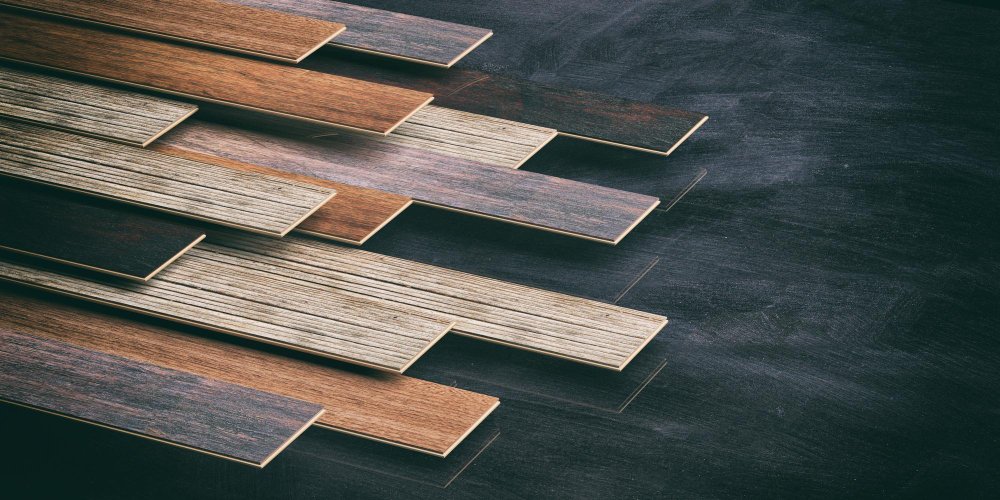
Luxury vinyl plank flooring has become one of the most popular choices for high-traffic home renovations because of its durability, affordability, and moisture resistance.
Advantages of Luxury Vinyl Plank Flooring
- Excellent water resistance
- Scratch-resistant surface protection
- Comfortable underfoot feel
- Easy cleaning and maintenance
- Wide variety of wood-look finishes
Luxury vinyl flooring works especially well in kitchens, mudrooms, laundry rooms, and busy family spaces where moisture and heavy use are common.
Porcelain Tile: Extremely Durable and Low Maintenance
Porcelain tile is one of the most durable flooring materials available for residential renovations. Its dense composition makes it highly resistant to scratches, moisture, and wear.
Benefits of Porcelain Tile Flooring
- Exceptional durability
- Strong moisture resistance
- Low maintenance requirements
- Wide range of styles and textures
- Excellent performance in wet areas
Porcelain tile is especially effective in bathrooms, entryways, kitchens, and other high-moisture environments.
Engineered Hardwood: Classic Appearance with Improved Stability
Engineered hardwood flooring provides the warmth and visual appeal of natural wood while offering greater dimensional stability than traditional solid hardwood.
Advantages of Engineered Hardwood
- Authentic wood surface appearance
- Improved resistance to humidity changes
- Suitable for open-concept layouts
- Long-term property appeal
Engineered hardwood works well in living rooms, dining rooms, and bedrooms where homeowners want timeless aesthetics with better structural performance.
Laminate Flooring: Affordable and Scratch-Resistant
Modern laminate flooring has improved significantly in durability and visual realism compared to earlier products. High-quality laminate can perform well in many high-traffic residential areas.
Benefits of Laminate Flooring
- Budget-friendly installation costs
- Strong scratch resistance
- Easy maintenance
- Realistic wood and stone visuals
However, laminate flooring is generally less moisture-resistant than luxury vinyl or porcelain tile, making proper installation especially important.
Natural Stone Flooring: Timeless and Highly Durable
Natural stone flooring offers premium durability and distinctive visual texture that many homeowners prefer in luxury renovations.
Popular Natural Stone Options
- Slate flooring
- Travertine tile
- Limestone surfaces
- Marble flooring
Natural stone can last for decades when maintained properly, although many stone materials require sealing and periodic maintenance.
Concrete Flooring: Modern and Industrial Durability
Concrete flooring has become increasingly popular in modern renovations because of its durability, minimalist appearance, and low maintenance requirements.
Advantages of Concrete Flooring
- Exceptional structural durability
- Modern industrial aesthetic
- Easy cleaning
- Compatibility with radiant heating systems
Polished or stained concrete works particularly well in basements, contemporary homes, and open-concept spaces.
Carpet Tiles: Flexible Comfort for Certain Spaces
While traditional wall-to-wall carpeting may wear quickly in high-traffic areas, carpet tiles provide a more flexible and repairable flooring solution.
Benefits of Carpet Tiles
- Easy replacement of damaged sections
- Improved acoustic comfort
- Soft underfoot feel
- Suitable for offices and basements
Carpet tiles are commonly used in home offices, entertainment rooms, and finished basements where warmth and sound absorption are priorities.
Consider Moisture Resistance Carefully
Moisture exposure is one of the leading causes of flooring failure in busy households. Homeowners should evaluate how each room functions before selecting flooring materials.
Areas That Benefit from Moisture-Resistant Flooring
- Entryways and mudrooms
- Kitchens
- Bathrooms
- Laundry rooms
- Basements
Water-resistant flooring helps prevent warping, staining, and long-term structural damage.
Durability and Maintenance Should Match Lifestyle Needs
The best flooring material depends heavily on household activity levels, pets, children, and maintenance expectations.
Questions Homeowners Should Consider
- How much foot traffic does the room receive?
- Are pets or children present?
- Will moisture exposure be frequent?
- How much maintenance is acceptable?
- What design style is preferred?
Choosing flooring that matches real household conditions improves long-term renovation satisfaction.
Professional Installation Improves Flooring Performance
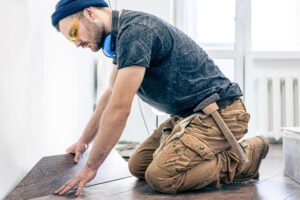
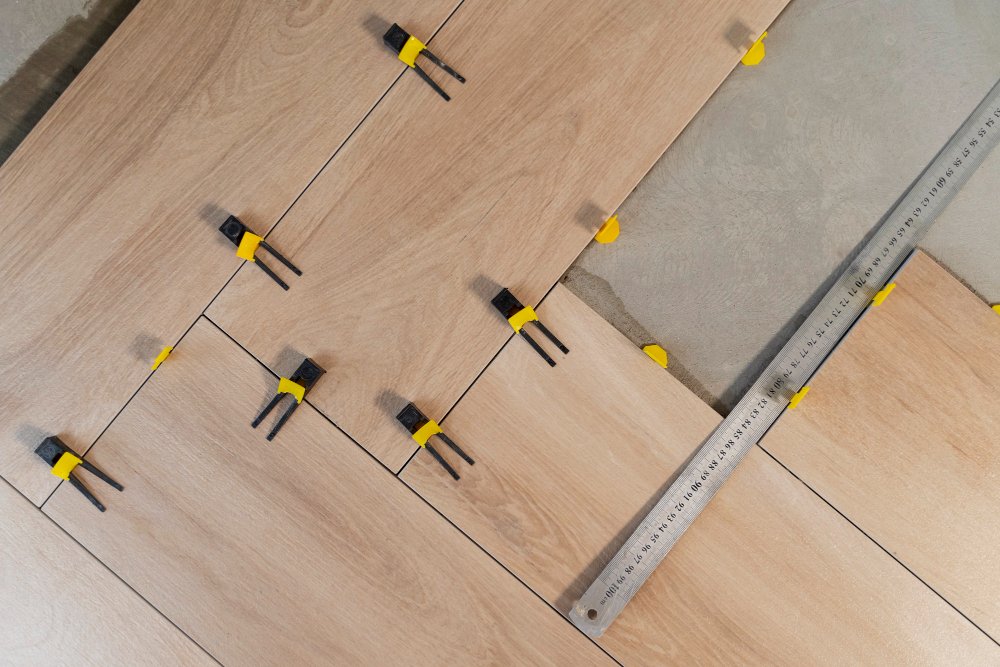
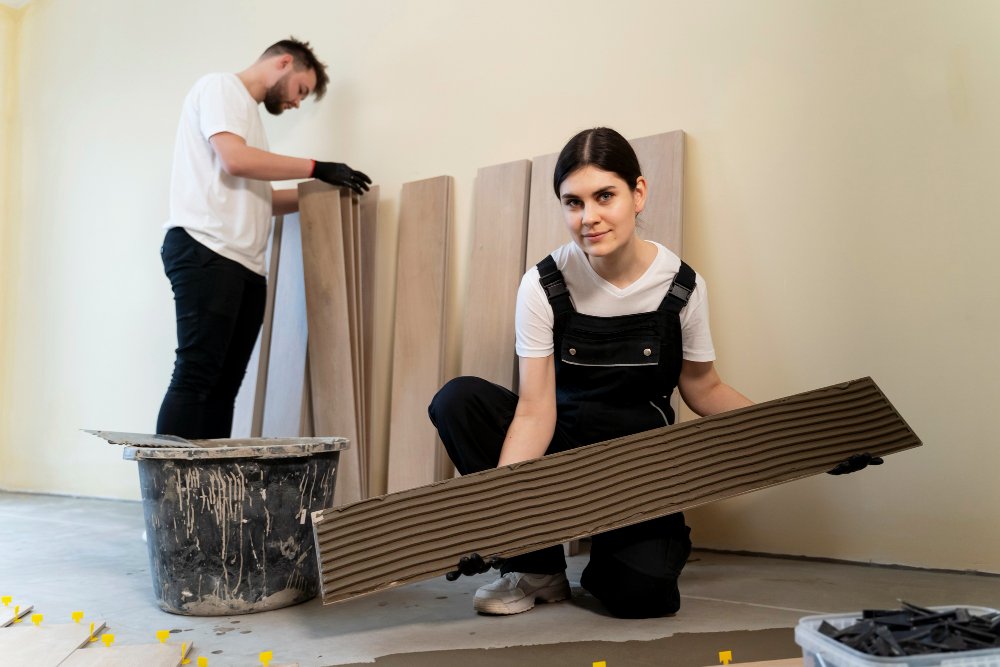
Even durable flooring materials can fail prematurely if subfloor preparation and installation are handled incorrectly. Proper leveling, moisture barriers, and expansion spacing are critical for long-term performance.
Professional flooring installers help ensure accurate alignment, secure installation, and compliance with manufacturer requirements.
Final Thoughts on Flooring for High-Traffic Homes
The best flooring materials for high-traffic home renovations combine durability, moisture resistance, comfort, and visual appeal. Luxury vinyl plank, porcelain tile, engineered hardwood, laminate, natural stone, concrete, and carpet tiles each offer unique advantages depending on room conditions and household needs.
By carefully evaluating maintenance expectations, moisture exposure, and lifestyle demands, homeowners can choose flooring systems that remain attractive and functional for many years.