Modern homeowners expect exterior materials to deliver more than simple curb appeal. Today’s siding systems must withstand harsh weather, improve energy efficiency, reduce maintenance demands, and maintain attractive appearance for decades. That is why fiber cement siding has become one of the most trusted solutions in modern exterior remodeling.
Traditional siding materials such as wood and older vinyl products often struggle with moisture exposure, pests, fading, or long-term structural wear. Homeowners increasingly seek stronger alternatives that combine architectural beauty with dependable durability.
Fiber cement siding addresses these concerns by offering exceptional weather resistance, modern design flexibility, and lower maintenance requirements compared to many traditional siding materials. As a result, it has become a leading choice for homeowners focused on long-term property protection and sophisticated curb appeal.
What Is Fiber Cement Siding?
Fiber cement siding is a highly durable exterior material manufactured using a combination of cement, sand, cellulose fibers, and specialized additives. This engineered composition creates a strong and stable siding product capable of resisting moisture, fire, pests, and weather-related damage.
Unlike traditional wood siding, fiber cement materials are designed to maintain structural integrity and appearance even in challenging climate conditions.
Professional cement board siding installation also helps maximize long-term durability by ensuring proper sealing, ventilation, and moisture management throughout the exterior system.
Fiber Cement Siding vs Traditional Siding: Which Performs Better?
Fiber Cement vs Wood Siding
Wood siding remains popular because of its natural beauty and timeless architectural appeal. However, traditional wood materials often require extensive maintenance to prevent moisture damage, rot, warping, and pest infestations.
Fiber cement siding offers a major advantage by replicating wood textures while providing significantly improved durability and weather resistance. Homeowners can achieve classic wood-inspired aesthetics without the same level of long-term maintenance.
Additionally, fiber cement siding is non-combustible, giving it stronger fire resistance compared to traditional wood products.
Fiber Cement vs Vinyl Siding
Vinyl siding is often chosen for affordability and low maintenance, but it may become vulnerable to cracking, warping, or fading over time depending on climate exposure.
Fiber cement siding generally provides superior structural durability and a more premium architectural appearance. Many homeowners also appreciate its ability to replicate natural textures more realistically than standard vinyl systems.
Although fiber cement may require a larger initial investment, its extended lifespan and reduced long-term maintenance needs often provide stronger overall value.
Fiber Cement vs Engineered Wood
Engineered wood siding offers improved moisture resistance compared to traditional wood while maintaining natural aesthetics. However, fiber cement siding still tends to outperform engineered wood in fire resistance and overall durability.
Fiber cement products are particularly valuable in regions with extreme weather conditions or elevated fire concerns.
Major Benefits of Fiber Cement Siding
Exceptional Durability
One of the biggest advantages of fiber cement siding is its ability to withstand harsh environmental conditions. It resists cracking, warping, swelling, and moisture-related deterioration far more effectively than many traditional materials.
This durability helps homeowners reduce long-term repair and replacement costs while maintaining strong curb appeal.
Low Maintenance Requirements
Homeowners increasingly prioritize exterior materials that require minimal upkeep. Fiber cement siding offers excellent resistance to fading, pests, and weather damage, reducing the need for constant maintenance.
Modern factory-applied finishes also help preserve color consistency and appearance over long periods.
Improved Fire Resistance
Unlike wood-based siding materials, fiber cement is non-combustible. This added fire resistance provides greater peace of mind while improving overall exterior safety.
Many homeowners consider this feature especially valuable in areas prone to wildfire risks or extreme heat.
Versatile Design Options
Fiber cement siding is available in numerous styles, textures, and colors that support a wide range of architectural designs.
Whether homeowners prefer modern farmhouse aesthetics, traditional craftsman homes, or sleek contemporary exteriors, fiber cement products provide flexible design solutions.
Long-Term Property Value
Exterior remodeling projects that incorporate high-quality siding materials often improve resale appeal and overall property value.
Potential buyers frequently view fiber cement siding as a premium exterior upgrade associated with durability and quality craftsmanship.
Popular Fiber Cement Siding Styles
Lap Siding
Horizontal lap siding remains one of the most common fiber cement applications because of its timeless and versatile appearance.
This style works exceptionally well for farmhouse, craftsman, colonial, and transitional architectural designs.
Board and Batten Designs
Board and batten siding has become highly popular in modern exterior remodeling because of its clean vertical lines and architectural character.
This design style helps homes feel taller and more visually dynamic.
Shake-Style Panels
Fiber cement shake panels replicate the appearance of cedar shingles while providing improved durability and moisture resistance.
These decorative accents are commonly used around gables, dormers, and entryways.
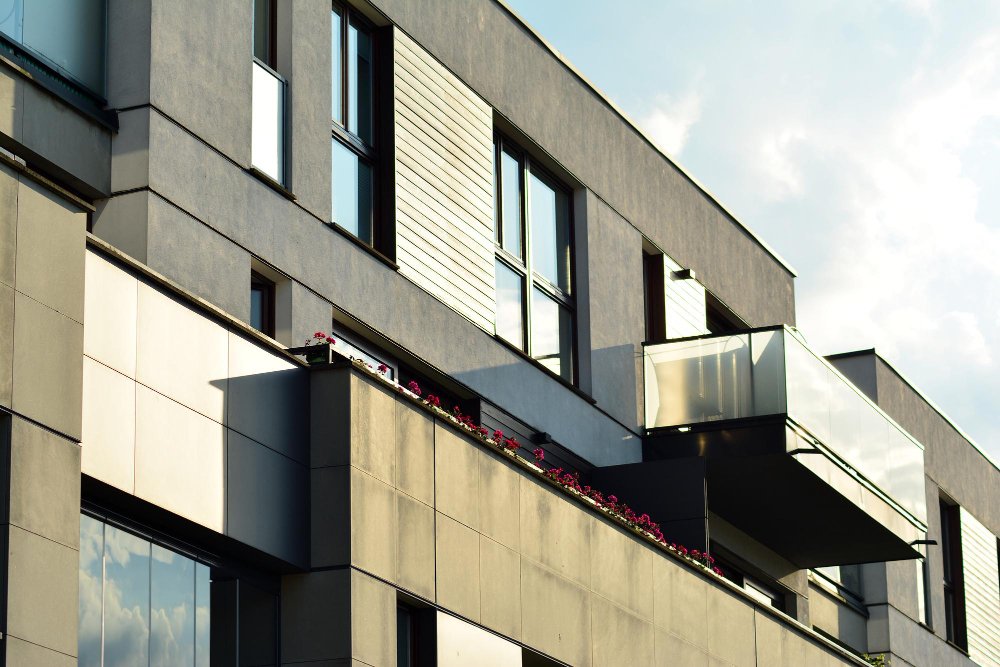
Contemporary Panel Systems
Large-format panel siding systems support modern minimalist architecture through clean lines and simplified exterior aesthetics.
These sleek designs remain especially popular in contemporary custom home construction.
Current Exterior Remodeling Trends
Modern Farmhouse Exteriors
Modern farmhouse design continues dominating residential remodeling trends. White fiber cement siding paired with black-framed windows and warm wood accents creates timeless curb appeal.
This combination balances simplicity, warmth, and modern architectural elegance.
Mixed Material Designs
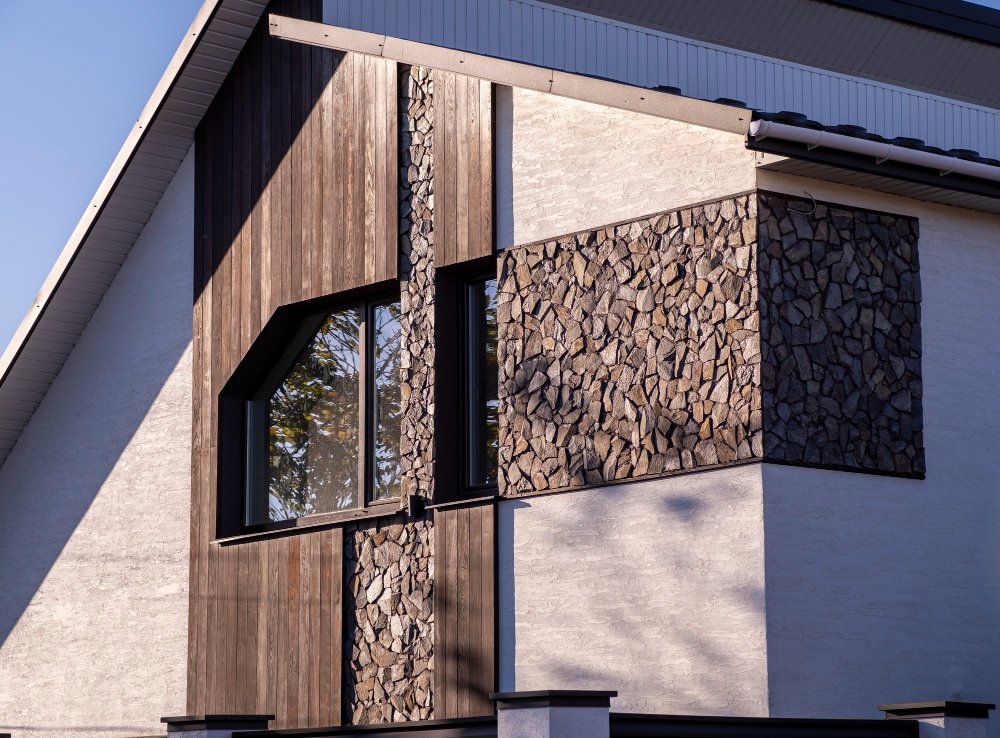
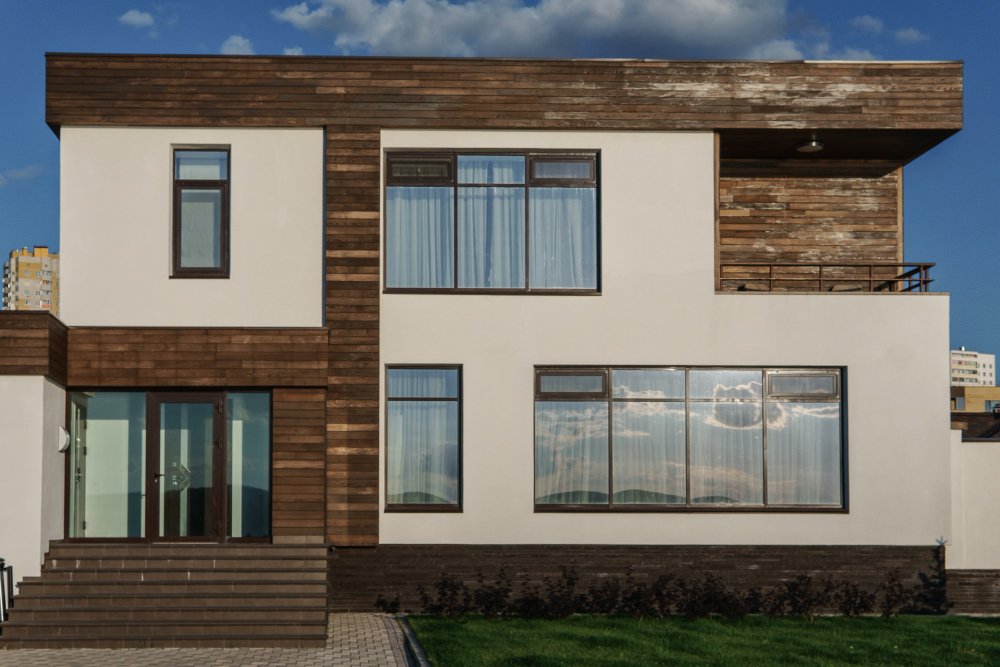
Many homeowners now combine fiber cement siding with stone veneers, wood accents, and metal details to create layered exterior designs with greater visual depth.
This approach adds sophistication while enhancing architectural character.
Dark Exterior Color Palettes
Charcoal gray, deep navy, black, and earthy neutral tones are becoming increasingly popular in modern siding design.
Fiber cement materials perform especially well with darker finishes because of their strong color retention and durability.
Sustainable Exterior Materials
Environmentally conscious homeowners increasingly prioritize durable building materials that minimize long-term waste and replacement frequency.
Fiber cement siding supports sustainability goals through its long lifespan and dependable performance.
Why Professional Installation Matters
Proper installation is essential for maximizing the lifespan and performance of fiber cement siding. Professional contractors understand moisture management, flashing systems, fastening requirements, and ventilation techniques necessary for successful installation.
Incorrect installation may lead to water intrusion, structural problems, or reduced siding durability over time.
Experienced installers also ensure clean finishing details around trim, windows, doors, and architectural transitions that significantly improve overall curb appeal.
How Fiber Cement Siding Improves Everyday Living
High-performance siding systems contribute to quieter interiors, improved weather protection, and reduced maintenance stress for homeowners.
Modern fiber cement products also help preserve the appearance of the home while supporting stronger insulation and energy efficiency performance.
As homeowners continue investing in durable and visually appealing exteriors, fiber cement siding remains one of the most dependable remodeling solutions available today.
Why Fiber Cement Siding Remains a Smart Investment
Fiber cement siding provides homeowners with a powerful combination of durability, weather resistance, low maintenance, and architectural versatility.
By replacing aging exterior materials with modern fiber cement systems, homeowners can improve curb appeal, strengthen home protection, and reduce long-term maintenance demands.
As exterior remodeling trends continue emphasizing resilience, sustainability, and sophisticated design, fiber cement siding remains one of the smartest and most reliable investments homeowners can make for long-term beauty, performance, and property value.