Best Ceiling Design Ideas for Modern Home Renovations

Ceiling Design Ideas

Why Ceiling Design Matters in Home Renovations

Ceiling design is often overlooked during home renovations, yet it plays a major role in shaping the atmosphere, proportions, and architectural character of a space. A thoughtfully designed ceiling can make rooms feel larger, brighter, more luxurious, or more visually balanced depending on the style and materials selected.

Modern home renovations increasingly use ceiling treatments to add depth, improve lighting integration, and create focal points that complement flooring, walls, and furniture. Choosing the right ceiling design helps homeowners enhance both functionality and visual appeal throughout the home.

Tray Ceilings: Elegant Depth and Dimension

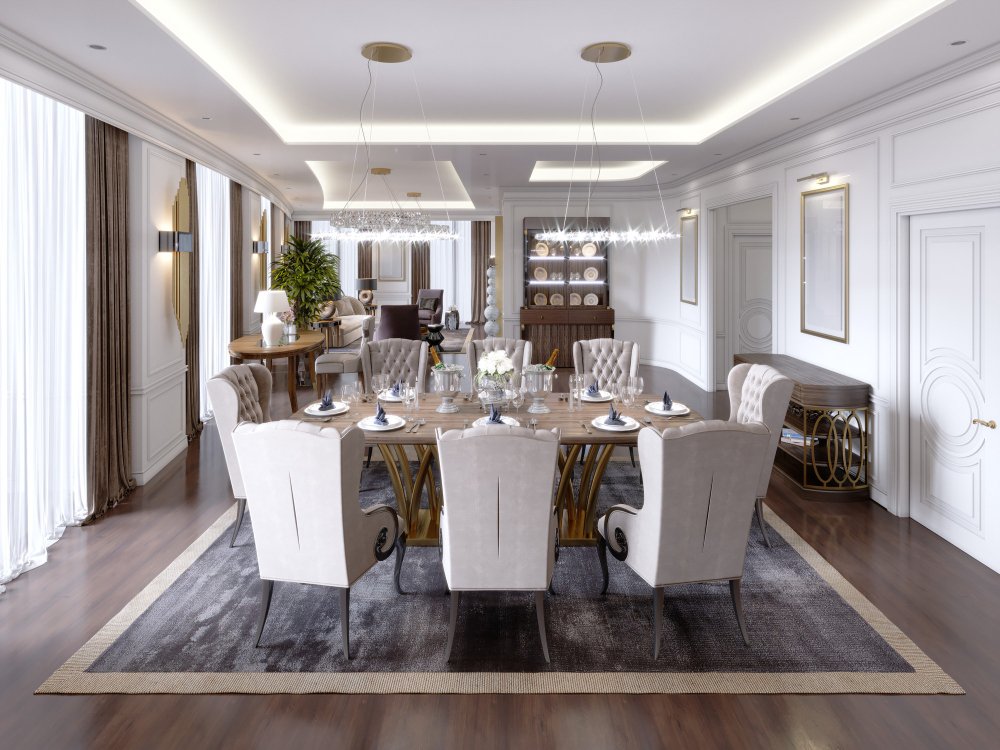
Tray ceilings feature a recessed central section that creates additional visual depth and architectural interest. This ceiling style is commonly used in dining rooms, bedrooms, and living areas where homeowners want a more refined appearance.

Advantages of Tray Ceilings

  • Creates the illusion of higher ceilings
  • Adds architectural sophistication
  • Supports accent lighting installation
  • Works well with modern and traditional interiors

Integrated LED lighting around tray ceiling borders can create soft ambient illumination while emphasizing ceiling contours.

Coffered Ceilings: Classic Architectural Detail

Coffered ceilings use a grid of recessed panels framed by decorative beams. Historically associated with luxury homes and formal interiors, coffered ceilings remain popular in upscale renovation projects.

Benefits of Coffered Ceilings

  • Adds strong architectural character
  • Enhances formal living spaces
  • Improves ceiling visual texture
  • Can help soften sound reflections

Wood finishes, painted trim, and integrated lighting can all customize the appearance of coffered ceiling systems.

Vaulted Ceilings: Spacious and Dramatic

Vaulted ceilings create dramatic vertical openness by extending upward toward the roofline. This ceiling style is especially effective in open-concept living rooms, great rooms, and sunroom additions.

Advantages of Vaulted Ceilings

  • Creates spacious visual impact
  • Increases natural light potential
  • Enhances airflow and ventilation
  • Supports large window installations

Vaulted ceilings often require careful HVAC planning because larger air volumes can affect heating and cooling efficiency.

Beamed Ceilings: Warmth and Natural Texture

Exposed beam ceilings introduce warmth, texture, and visual contrast into renovated spaces. Beams can be structural or decorative depending on the project design.

Popular Beam Materials

  • Natural wood beams
  • Reclaimed timber
  • Faux wood beam systems
  • Steel accent beams

Beamed ceilings complement farmhouse, rustic, industrial, and transitional interior styles while adding strong visual character.

Flat Ceilings: Clean and Minimalist Simplicity

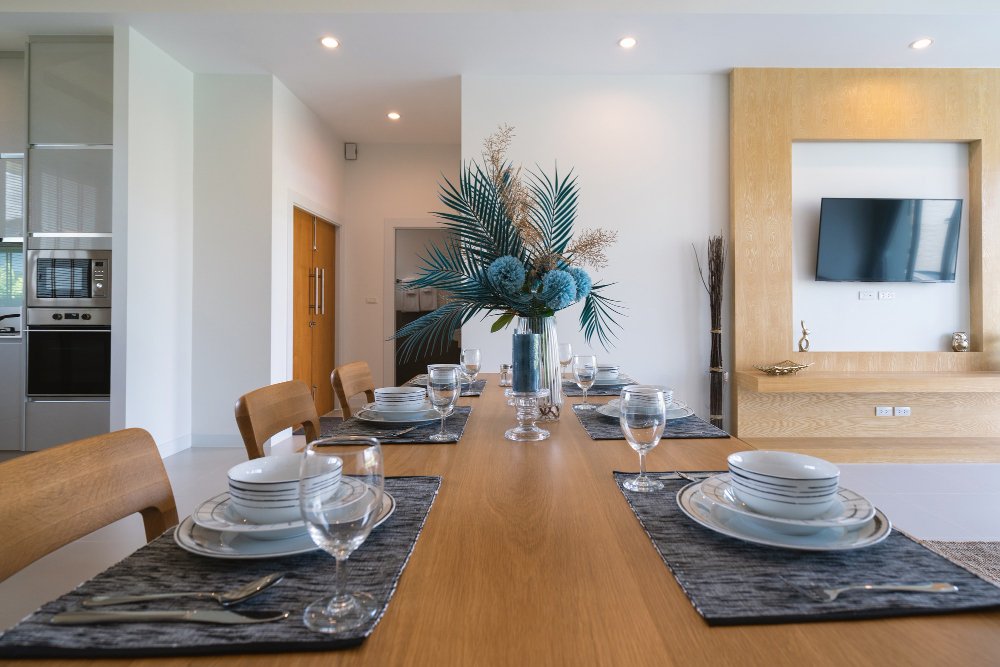
Flat ceilings remain one of the most common choices in modern home renovations because of their simplicity, affordability, and versatility. Although less decorative, flat ceilings work well in minimalist and contemporary interiors.

Benefits of Flat Ceilings

  • Clean modern appearance
  • Lower construction costs
  • Easier lighting installation
  • Simplified maintenance

Flat ceilings also create flexible design opportunities for recessed lighting and hidden HVAC systems.

Ceiling Design Ideas

Wood Panel Ceilings: Natural and Inviting

Wood-paneled ceilings add warmth and texture while creating cozy, inviting interiors. These ceiling treatments are especially popular in cabins, coastal homes, and transitional renovations.

Popular Wood Ceiling Styles

  • Shiplap ceiling panels
  • Tongue-and-groove wood planks
  • Natural cedar finishes
  • Painted wood ceiling systems

Lighter wood tones help preserve brightness, while darker finishes create more dramatic visual contrast.

Suspended Ceilings: Practical for Basements and Utilities

Suspended or drop ceilings are frequently used in basements and utility-heavy renovation areas where access to plumbing, electrical, and HVAC systems is important.

Advantages of Suspended Ceilings

  • Easy mechanical system access
  • Improved acoustic performance
  • Simplified future maintenance
  • Flexible lighting integration

Modern suspended ceiling systems offer improved aesthetics compared to older commercial-style designs.

Ceiling Lighting Integration Matters

Lighting design and ceiling design work closely together in modern renovations. Proper lighting placement enhances ceiling features while improving overall room functionality.

Popular Ceiling Lighting Options

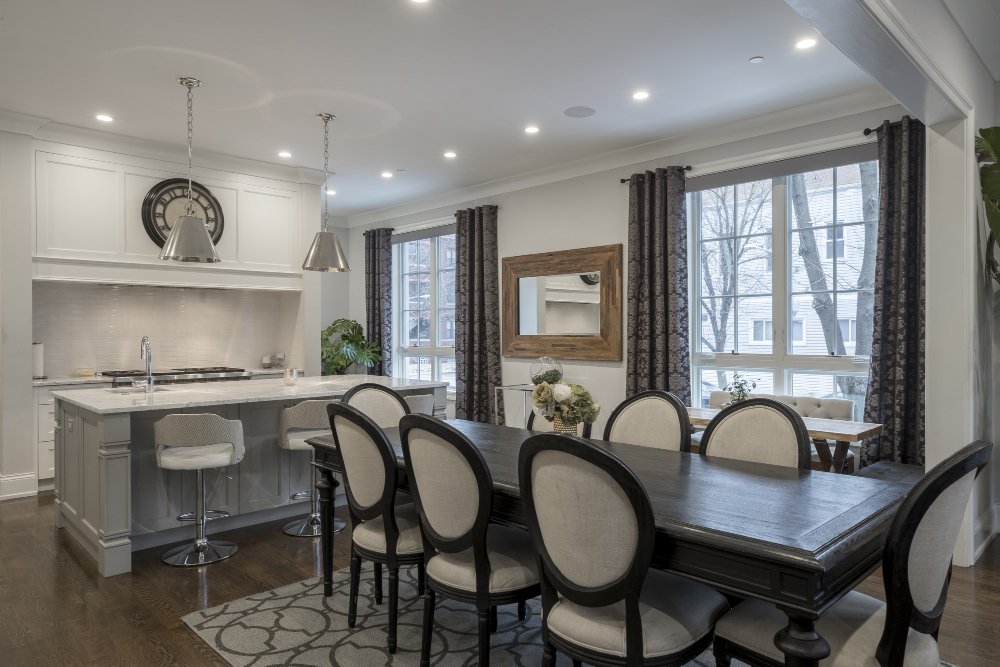
  • Recessed LED lighting
  • Pendant fixtures
  • Cove lighting systems
  • Decorative chandeliers
  • Track lighting installations

Layered lighting creates balanced illumination while emphasizing architectural ceiling details.

Consider Ceiling Height and Room Scale

Not every ceiling design works well in every home. Ceiling height, room dimensions, and overall architectural style should guide renovation decisions.

Factors That Influence Ceiling Selection

  • Existing ceiling height
  • Natural lighting conditions
  • Room size and proportions
  • Structural limitations
  • Interior design style

Overly complex ceiling treatments may overwhelm smaller spaces, while simple flat ceilings may appear too plain in larger open rooms.

Professional Installation Improves Results

Ceiling renovations often involve framing modifications, drywall work, electrical coordination, and precise finish detailing. Professional installation ensures structural stability, smooth finishes, and accurate lighting integration.

Experienced contractors also help homeowners select ceiling styles that align with both design goals and construction budgets.

Final Thoughts on Modern Ceiling Designs

The best ceiling design ideas combine aesthetics, lighting, architectural proportion, and practical functionality. Tray ceilings, vaulted designs, coffered systems, wood paneling, exposed beams, and minimalist flat ceilings each provide unique benefits depending on the style and goals of the renovation.

By carefully selecting ceiling treatments that complement the home’s architecture and interior design, homeowners can dramatically improve the appearance, comfort, and overall sophistication of renovated spaces.