It started with a single overflowing bookshelf.
For years, Emma and David kept promising themselves they would organize their growing collection of books. Novels were stacked beside the sofa, cookbooks filled kitchen cabinets, and history books slowly claimed every available shelf in the guest room. What had once been a love of reading had quietly become daily clutter.
One rainy afternoon, while searching for a favorite novel buried beneath several piles, they looked around the unused spare room and asked a simple question:
What if this space became something entirely different?
“The best rooms aren’t always the largest—they’re the ones that invite you to stay a little longer.”
That conversation marked the beginning of a home library renovation that would eventually become their favorite room in the house.
Finding the Perfect Space
The first step wasn’t choosing shelves or furniture. It was deciding where the library belonged.
Several rooms seemed possible. The dining room was rarely used. The loft offered plenty of natural light. Even part of the living room could have worked. After walking through the house together, they realized the quiet spare bedroom at the back of the home offered exactly what they needed: privacy, comfortable natural light, and enough space to grow.
Sometimes the right room is one you’ve stopped noticing.
Once the location was chosen, every decision became easier. Instead of designing another guest room, they were creating a retreat built around how they actually lived.
Watching the Room Take Shape
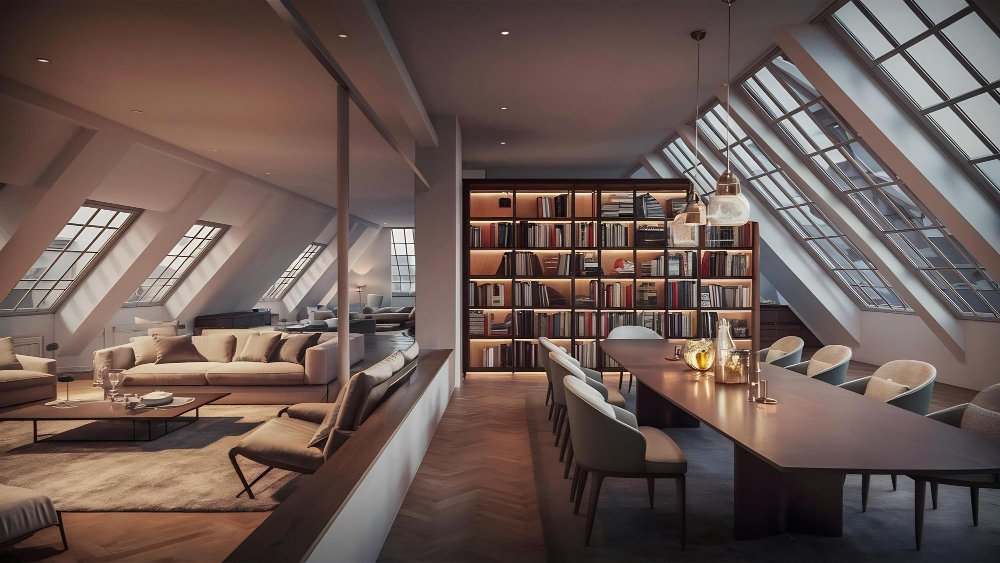
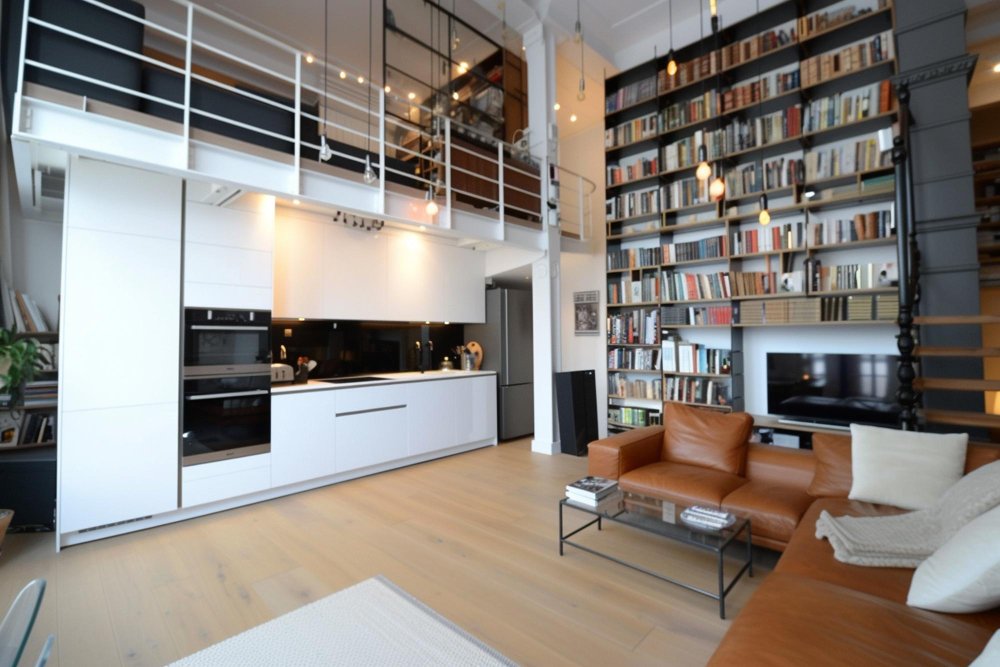
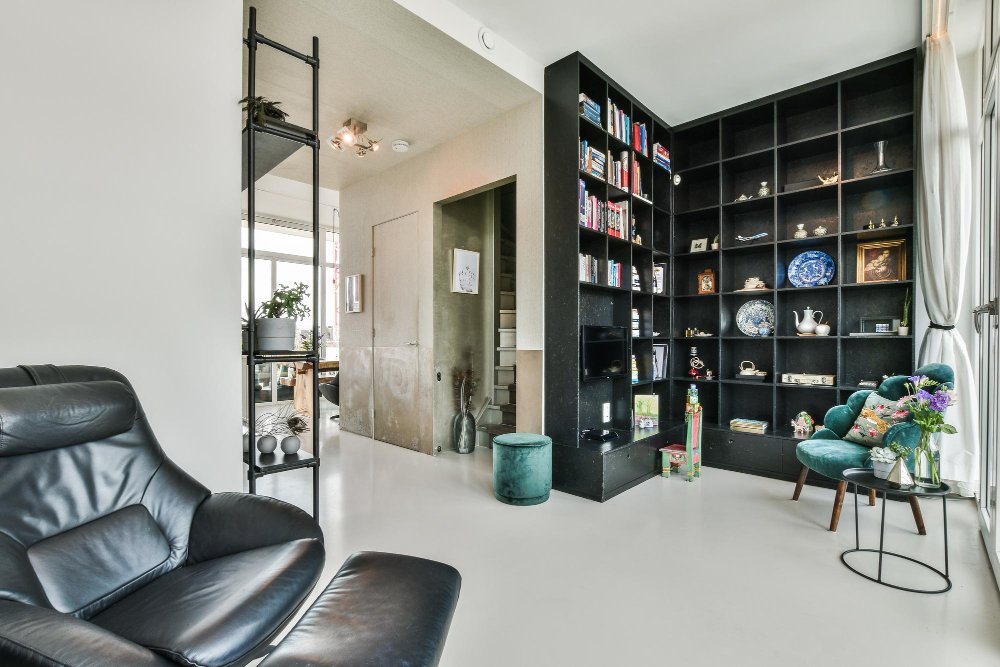
Construction began with custom shelving. Rather than purchasing freestanding bookcases, they chose built-in shelves that stretched from floor to ceiling. Overnight, the room began to feel less like a spare bedroom and more like a true library.
Lighting came next. Bright ceiling fixtures were replaced with warm layered lighting that made the room comfortable during both sunny afternoons and quiet evenings. Adjustable reading lamps appeared beside two comfortable chairs, while discreet shelf lighting highlighted favorite book collections.
The finishing touches added warmth rather than decoration. Rich wood shelving, soft rugs, textured fabrics, and carefully selected artwork created an atmosphere that encouraged people to slow down.
Instead of filling the room with furniture, they left generous open space. Every piece had a purpose.
“A library isn’t defined by how many books it holds, but by how it makes you feel when you walk inside.”
A Space That Quickly Became More Than a Library
As the weeks passed, the family realized the room served many purposes beyond reading. Morning coffee often happened there before work. Children completed homework at the writing desk. Weekend afternoons disappeared inside novels, while evenings became quieter without anyone consciously planning them.
Even video meetings occasionally took place in the library because the bookshelves created a calm, professional background. Hidden charging stations and thoughtful cable management kept technology available without dominating the room.
What had been designed for books gradually became a place for focus, conversation, creativity, and rest.
The renovation had solved more than a storage problem. It had created a new rhythm inside the home.
The Details That Made the Difference
Looking back, Emma often says the success of the project came from small decisions rather than expensive ones.
A few thoughtful choices transformed the experience:
- Built-in shelving instead of standalone furniture.
- Layered lighting instead of a single ceiling fixture.
- Comfortable seating designed for long reading sessions.
- Soft materials that reduced echoes and outside noise.
- Natural finishes that would remain timeless for years.
None of these upgrades seemed dramatic on their own, but together they created a room that felt complete.
A Room With a New Story to Tell
Today, visitors often assume the library has always been part of the home. They admire the shelves, settle into the chairs, and naturally lower their voices as they enter.
Emma smiles every time she hears that comment because she remembers the room exactly as it once was: an overlooked guest bedroom filled with storage boxes and forgotten furniture.
What started as a simple attempt to organize a growing book collection ultimately transformed the way the family experienced their home. The library became more than a renovation project—it became a destination. A place where busy days slowed down, conversations lasted longer, and every book finally found the home it deserved.