Homes are expected to evolve alongside the people living in them. As families grow, routines change, and lifestyles become more dynamic, many homeowners begin realizing their existing layout no longer fully supports their daily needs. That is why Room Additions have become one of the most practical and valuable remodeling solutions in modern home design.
Instead of leaving a favorite neighborhood or purchasing a larger property, many homeowners are choosing to expand their current homes in ways that improve comfort, functionality, and long-term flexibility.
Thoughtfully designed additions can transform how a home feels and functions while creating more personalized living environments tailored to changing family needs.
Why Existing Floor Plans Often Become Limiting
Many homes were originally designed around smaller households or older lifestyle expectations. Over time, families may require additional bedrooms, home offices, larger gathering spaces, or dedicated areas for hobbies and remote work.
Without enough functional space, households often struggle with overcrowding, limited storage, lack of privacy, or rooms that no longer support efficient daily living.
Professional Home Room Extensions provide homeowners with a long-term solution that increases livable space while preserving the location and character of the existing property.
How Room Additions Create More Functional Family Living
Additional Bedrooms for Growing Families
One of the most common reasons homeowners invest in room additions is the need for extra bedrooms. As families expand, children grow older, or relatives move in, additional sleeping areas become increasingly important.
A properly designed bedroom addition improves comfort and privacy while helping households function more efficiently long-term.
Expanded Living and Gathering Areas
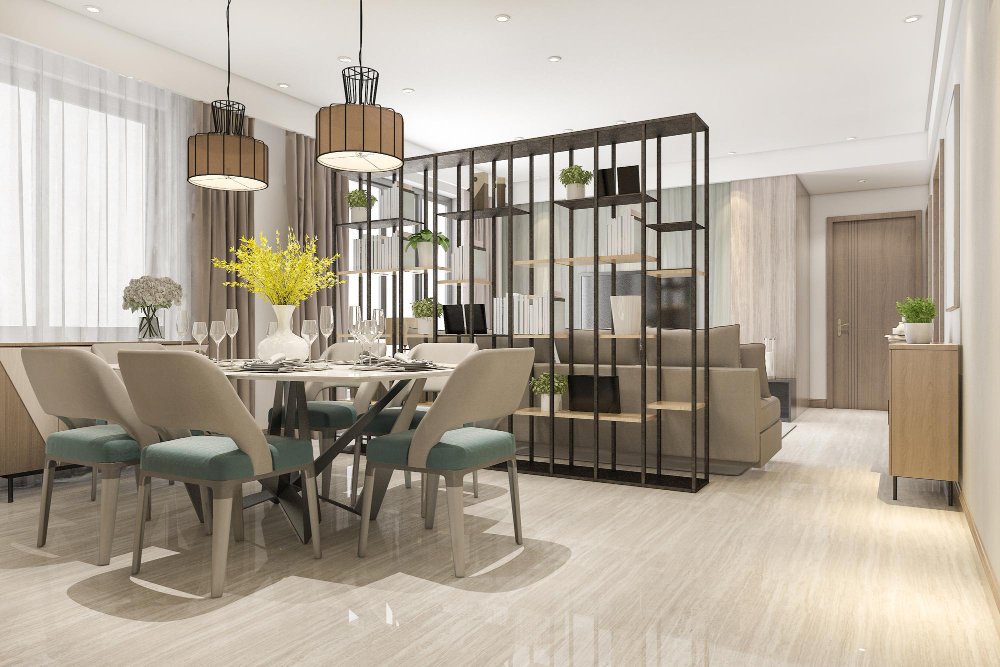
Modern families often spend significant time together in shared living spaces. Larger family rooms, open-concept living areas, and expanded dining spaces help create more comfortable environments for relaxation and entertaining.
These additions improve traffic flow while supporting more enjoyable everyday living experiences.
Dedicated Home Office Spaces
Remote and hybrid work have dramatically increased demand for quiet and productive work environments inside the home.
A dedicated office addition allows homeowners to separate professional responsibilities from household distractions while improving focus and organization.
Multi-Generational Living Solutions
Many families now require flexible living arrangements that support aging parents, adult children, or long-term guests.
Private room additions can provide independent and comfortable living areas while maintaining close family connections.
Popular Types of Room Additions
Family Room Additions
Family room expansions remain one of the most popular remodeling projects because they create larger gathering spaces for entertainment, relaxation, and everyday activities.
Open layouts and large windows help these spaces feel brighter, more spacious, and more connected to the rest of the home.
Primary Suite Expansions
Many homeowners choose to enlarge primary bedrooms by adding walk-in closets, sitting areas, or luxury bathrooms.
These additions create more comfortable and private retreat-style living environments while improving overall property value.
Kitchen Expansions
Modern kitchens serve as social and functional hubs within the home. Expanding the kitchen can improve workflow, storage capacity, and entertaining potential.
Larger islands, additional seating, and expanded pantry storage remain especially desirable in contemporary remodeling projects.
Second-Story Additions
Homes with limited lot space often benefit from second-story expansions that increase square footage vertically instead of outward.
This approach allows homeowners to preserve outdoor living areas while dramatically increasing interior functionality.
Why Homeowners Prefer Room Additions Over Moving
Preserving Location and Community
Many homeowners prefer staying in neighborhoods they already love rather than relocating to larger homes elsewhere.
Room additions allow families to maintain school districts, local relationships, and community familiarity while improving living conditions.
Avoiding Relocation Costs
Moving can involve significant financial expenses including real estate fees, moving costs, higher mortgage rates, and closing expenses.
Expanding an existing home often provides a more practical and financially efficient long-term solution.
Personalized Design Flexibility
Room additions allow homeowners to create spaces tailored specifically to their lifestyles and future plans.
Unlike purchasing another property, additions provide full customization over layout, finishes, storage, and functionality.
Improved Long-Term Home Value
Well-designed additions often increase both usable square footage and overall property value.
Potential buyers frequently prioritize homes with flexible layouts, larger living areas, and updated functionality.
Current Room Addition Design Trends
Open-Concept Living Spaces
Modern remodeling increasingly emphasizes open layouts that create stronger visual and functional connections between rooms.
Large shared spaces improve natural light flow and make homes feel more spacious and inviting.
Indoor-Outdoor Integration
Homeowners increasingly seek stronger connections between indoor living spaces and outdoor environments.
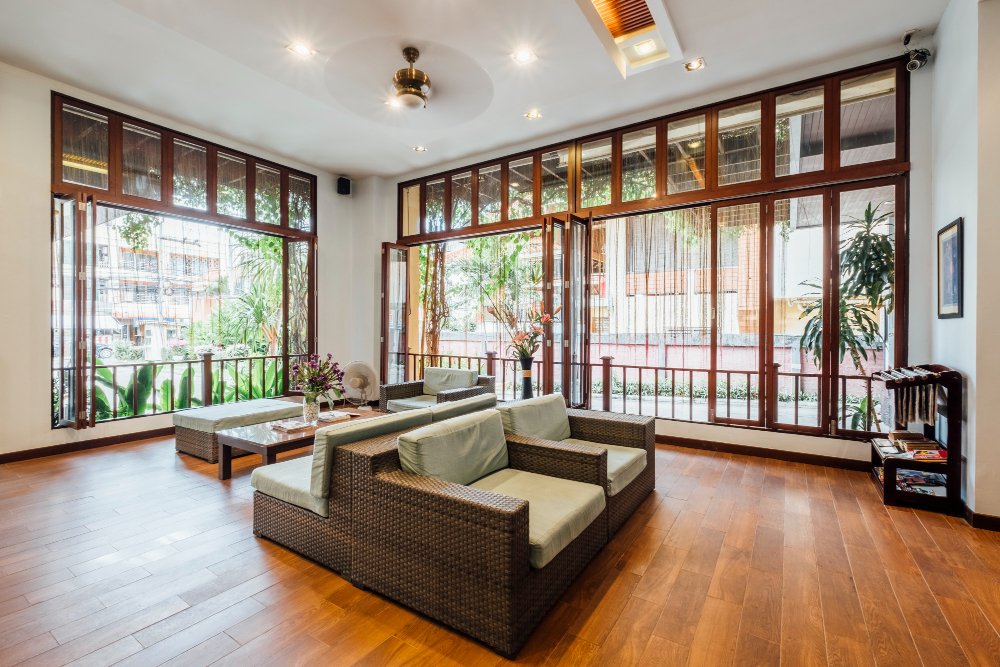
Sliding glass doors, covered patios, and large windows help additions feel brighter and more open while improving entertaining potential.
Flexible Multi-Use Rooms
Modern additions are often designed to support multiple functions rather than serving a single purpose.
Spaces that can operate as offices, guest rooms, fitness areas, or hobby rooms provide greater long-term adaptability.
Energy-Efficient Construction
Energy-efficient windows, upgraded insulation, and sustainable building materials continue growing in popularity during addition projects.
These features improve long-term comfort while helping reduce utility costs.
The Functional Benefits of Room Additions
Improved Daily Comfort
Additional square footage helps reduce overcrowding and create more comfortable living arrangements for every household member.
Larger rooms and improved layouts support smoother routines and more enjoyable daily living.
Better Storage Opportunities
Room additions often incorporate built-in cabinetry, closets, and organizational systems that improve household efficiency.
Better storage helps reduce clutter while maintaining cleaner and more functional interiors.
Enhanced Privacy
Separate rooms and expanded layouts help family members enjoy greater privacy and quieter personal spaces.
This becomes especially valuable in larger households or multi-generational living situations.
Greater Entertaining Capacity
Expanded family rooms, dining spaces, and guest accommodations allow homeowners to host gatherings more comfortably.
Additional space improves flexibility for holidays, celebrations, and overnight visitors.
Why Professional Planning and Construction Matter
Room additions require careful planning to ensure structural stability, architectural consistency, and efficient space utilization.
Professional designers and contractors evaluate foundation requirements, zoning regulations, utility systems, traffic flow, and long-term functionality before construction begins.
Experienced professionals also ensure the new addition integrates seamlessly with the existing structure both visually and structurally.
Why Room Additions Are Worth the Investment
Room Additions provide homeowners with a practical and highly personalized way to improve comfort, increase functionality, and support evolving family needs.
By expanding living space instead of relocating, homeowners can preserve the character and location of the homes they already love while dramatically improving everyday life.
As modern remodeling trends continue emphasizing flexibility, comfort, and multi-functional living, room additions remain one of the smartest long-term investments homeowners can make for increased property value, convenience, and quality of life.